





You want vampire books by Black authors? I’ll give you vampire books by Black authors. These five books take the common vampire trope and look at what happens when race (and racism) get involved.
The Gilda Stories by Jewelle Gomez
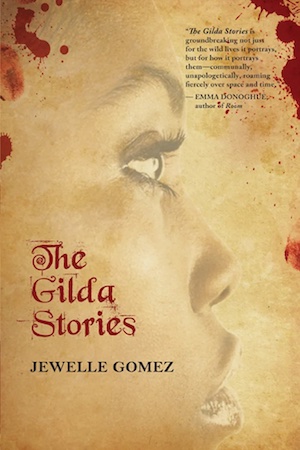
(Firebrand Books, 1991) We’re starting off with a classic of Black speculative fiction, one that features a Black lesbian vampire no less. An unnamed young woman escapes slavery in 1850 Louisiana and ends up in a brothel run by a vampire named Gilda. She’s turned into a vamp, takes the name of her savior, and sets off to see the country. Jewelle Gomez’s book checks in on Gilda over the decades. We see her in California in the late 19th century, in Missouri the same year as the Tulsa Massacre, Boston in 1955, and New York City in the early 1970s and 1980s. We then jump to what was the future when the book was published: New Hampshire in 2020 and New Mexico in 2050. Gilda navigates her Blackness, her sexuality, and her gender within the contexts of both vampirism and Western society. It’s a sexy, emotional, and heady slice of life.
Dark Corner by Brandon Massey
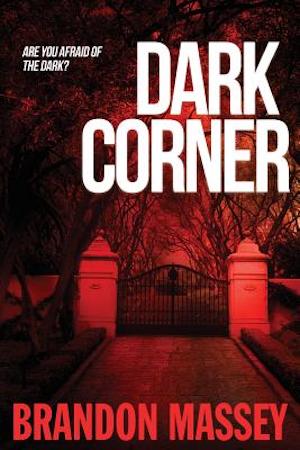
(Kensington, 2004) Vampires in small town Mississippi, you say? When David Hunter arrives in Mason’s Corner after the death of his father, he’s seeking a connection to a man he barely knew. Kyle Coiraut is also in town looking for answers about his own father. Trouble is, Kyle is the son of the vampire Diallo who the folks of Mason’s Corner drove out decades before, and David is the son of the vampire hunter who led the charge. The bodies start piling up but they don’t stay dead for long. When Diallo makes his triumphant return, it’s David who must claim his lineage and fight back. The final battle in the war between humans and vampires has been a long time coming, and David and Kyle are at the forefront.
Fledgling by Octavia E. Butler
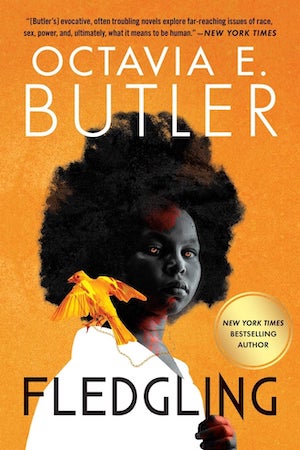
(Seven Stories Press, 2005) This is not a book for everyone. It’s… intense to say the least. Butler was intentionally pushing boundaries with this science fiction vampire novel. When Shori wakes up, she has no memory of who she is. All she knows is she’s ravenously hungry, and she kills the first living thing she comes into contact with. Shori may look like a 10-year-old Black girl, but she’s actually a 53-year-old Ina (this world’s version of vampire). They have a symbiotic relationship with humans, and Shori picks a construction worker named Wright as her symbiont partner. With all that the term “partner” entails. There’s stuff going on with genetic engineering and clashes between Ina families, all having to do with Shori having special abilities the other Ina do not. This is one of Butler’s most controversial works. You either like it or you don’t. I found it incredibly moving and just as distressing.
Immortal Dark by Tigest Girma
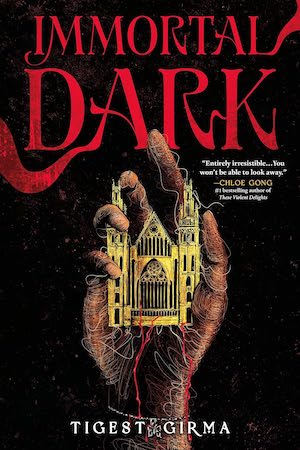
(Immortal Dark Trilogy #1 — Little, Brown Books for Young Readers, 2024) Vampires are having a bit of a renaissance in YA fantasy lately, and not just with pretty, angsty, white teens. Kidan Adane and her sister June are all that’s left of their family line after the deaths of their parents. When June is kidnapped, Kidan will do anything to get her back. Even when that means infiltrating Uxlay University, an elite school dedicated to forging alliances between humans and vampires. In this world, vampires bond to a human family line. The vampire Susenyos is bound to the Adanes, which is very inconvenient for Kidan who is convinced he’s behind June’s disappearance. Her investigation takes a dark turn when there’s a murder at Uxley, and she and Susenyos are pulled closer together. It’s dark academia meets vampires with an Ethiopian main character.
This Ravenous Fate by Hayley Dennings
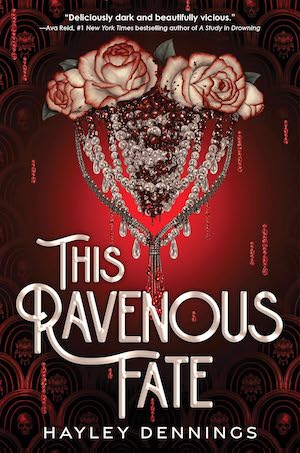
(This Ravenous Fate #1 — Sourcebooks Fire, 2024) Elise Saint is the heir to a reaper (aka vampire) hunting empire recently returned from Paris. She encounters Layla Quinn, a reaper who lost both her parents and her best friend Elise the same terrible night. The two girls are forced to work together to figure out how some reapers are turning human and how that cure may also be connected to a series of violent murders. This YA novel is probably the closest book we have to Sinners. It’s set in 1926 during the Harlem Renaissance, so only a few years before the events of the movie. And it’s about gangsters, liquor, and sketchy white people trying to make deals with Black folks striving for success. Bonus points for featuring a sapphic romance. Elise and Layla have an enemies-to-lovers romance soaked in blood and betrayal.


Fledgling is a very disorienting book. Many in my monthly sf/f reading group do not enjoy horror. They could not get past the first story in Tananarive Due’s Ghost Summer: Stories, a collection that I adore. But they ate up Fledgling with a spoon. I was nonplussed, to say the least. For me, Shori is a great example of why we say “protagonist” and not “hero” when referring to the main character.